Food, Television, and the Stories Women Tell
March 6, 2026 | Chahak Sharma (Marketing Coordinator)
Working at Gusto TV has changed the way I see food.
Before joining the team, I thought cooking shows were mostly about
recipes, ingredients, camera angles, and the personality of the host. But
working here has taught me that the best food television isn’t really about
cooking at all.
It’s about the stories told through food.
Every dish carries something deeper: memory, culture, family, and the
people who passed those recipes down. And the more time I’ve spent
working at Gusto TV, the more I’ve realized that the first people who taught
me this weren’t famous chefs.
They were the women in my life.
I moved to Canada when I was four years old, and like many immigrant
kids, I remember the moment everyone opened their lunchboxes at school.
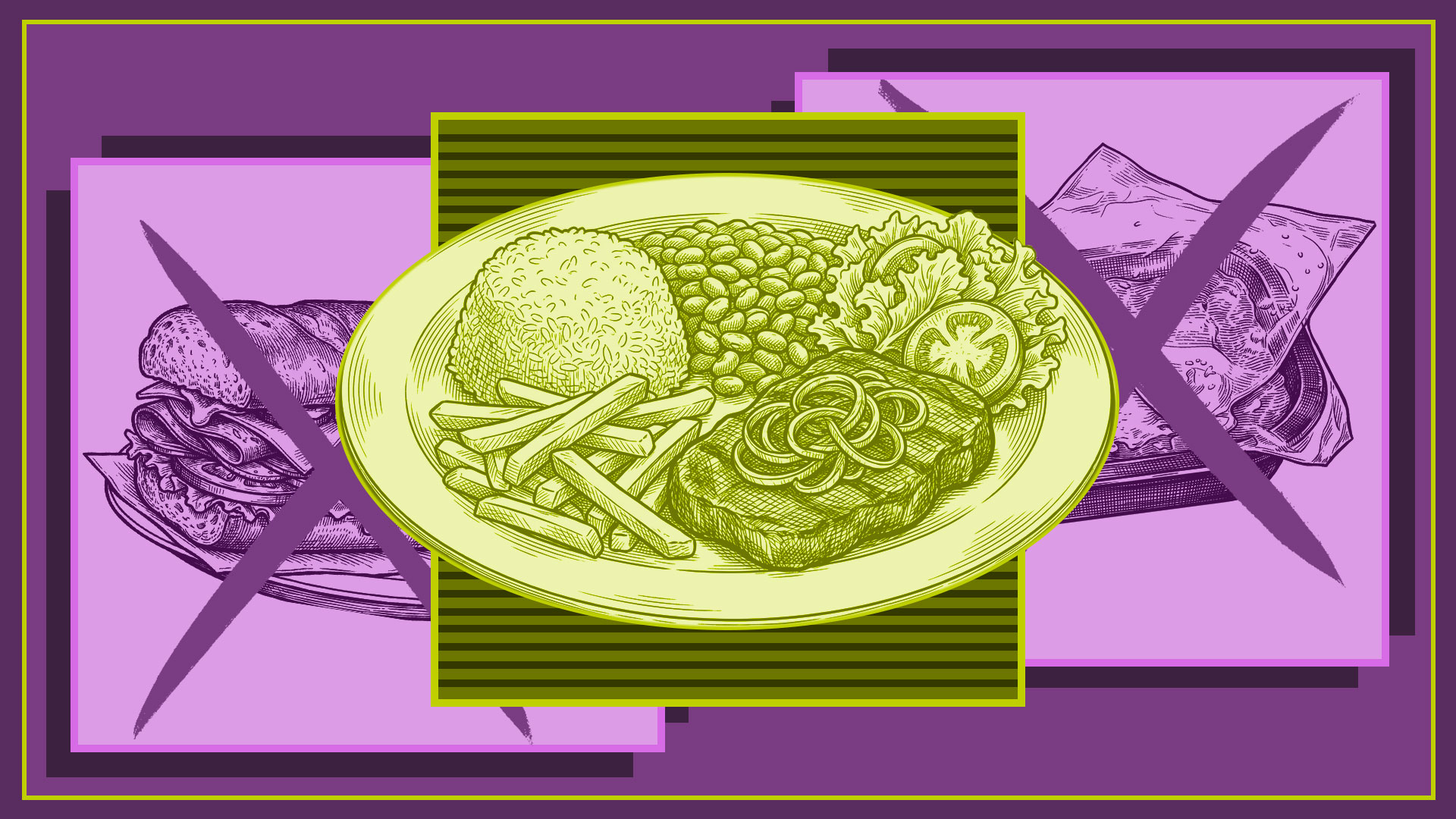
My classmates pulled out peanut butter and jelly sandwiches, leftover pizza,
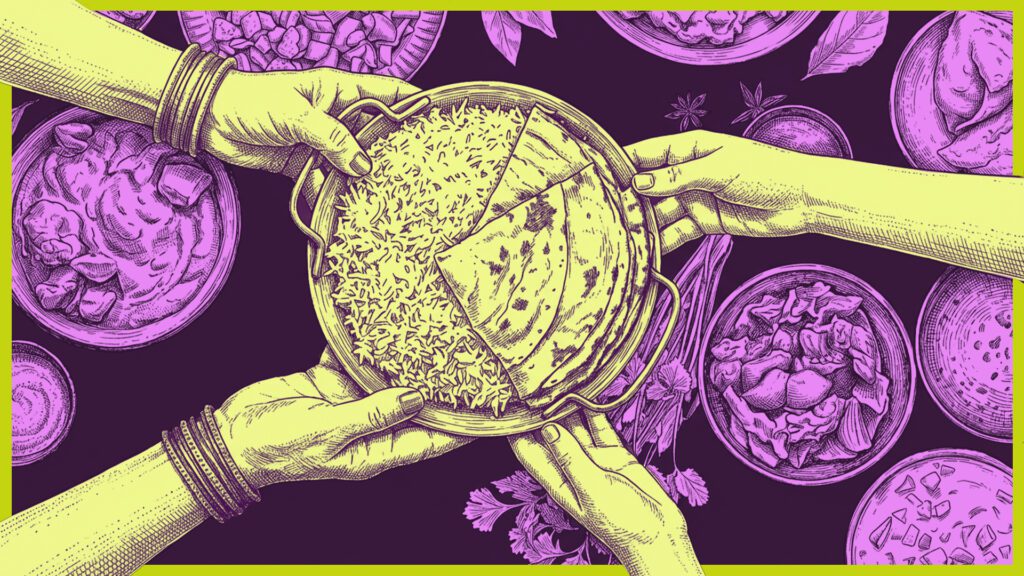
instant noodles, and chicken nuggets. I opened mine to find daal and rice
(lentils and rice), a potato sandwich, or chole bhature (spiced chickpeas
with fried bread) wrapped carefully in foil.
At the time, I hated it.
I remember staring at my lunch and wishing I had the same food as
everyone else. I didn’t understand why my mom couldn’t just pack a
sandwich like the other parents did.
What I didn’t realize then was that my mom wasn’t just packing me lunch.
She was packing me stories.
My mom grew up in Bombay, and the dishes she made for me were foods
she loved as a child. Years later, when I started visiting India more often, I
realized that the potato sandwich I had once been embarrassed to bring to
school was actually something iconic – the famous Bombay sandwich, a
beloved street food from the city in India where she grew up.
The lunch I once wished away was actually a piece of my mom’s childhood.
As I got older, I began to notice how often women share their stories
through food. My grandmother does it every time we cook together. Recipes
turn into memories, stories about the meals she loved as a child, the people
she cooked for, and the kitchens where she first learned about those dishes.
For families like mine, food often holds the stories we don’t have written
down.
We may not have generations of photographs or heirlooms, but we have
recipes.
My grandmother shows her love through the meals she makes and the
lunches she presses into my hands as I rush out the door for work. My mom
shows her love by sharing Indian food with the people around her, bringing
samosas to work, introducing friends to new restaurants, and inviting
people to try dishes they never tasted before.
Food becomes the bridge between cultures, families, and strangers who
quickly become friends.
Later that evening, when I went home, those same memories followed me.
When an episode featuring Chole Bhature aired on Gusto TV, I sat down
with my mom and my grandma to watch it together. As the dish appeared on
screen, my grandma pointed out little details in the recipe while my mom
talked about the meals she grew up eating in Mumbai.
What started as a cooking segment turned into an entire evening of stories.
That’s when it really hit me.
Gusto TV doesn’t just teach people how to cook. It gives people the chance
to see their stories reflected on screen the same stories that have been
shared between women in kitchens for generations.
On International Women’s Day, I think about the women who taught me this
language of food the ones who packed lunches, passed down recipes,
welcomed people to their tables, and shared their memories through the
meals they made.
Working at Gusto TV, I now see those same stories unfolding every day, just
on a larger stage.
Because sometimes the most powerful stories women tell aren’t written in
books.
Sometimes, they’re simply served on a plate.
Related Updates